Why most Продажа кофе и десертов навынос projects fail (and how yours won't)
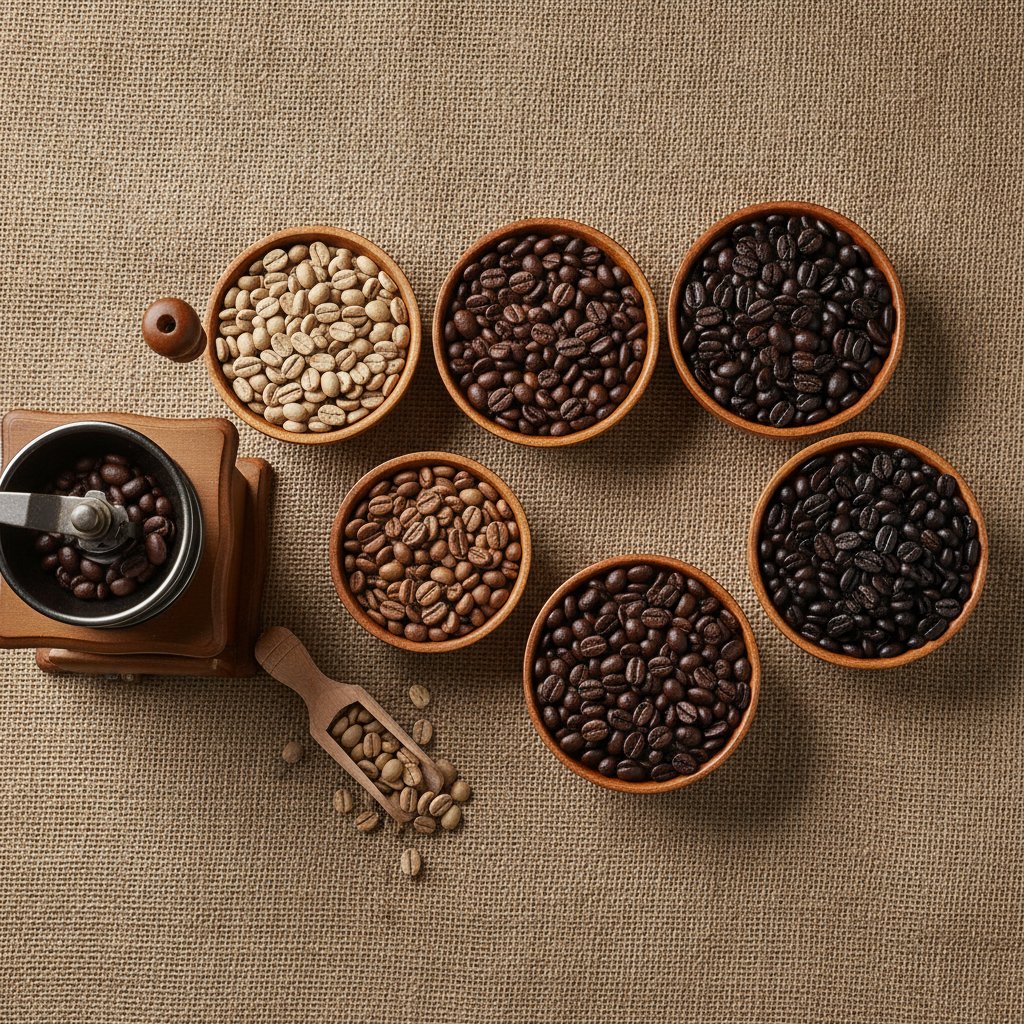
Your Coffee-to-Go Dream Just Became a $50K Lesson in What Not to Do
Marina opened her takeaway coffee and dessert spot in Moscow last spring. Prime location near the metro. Instagram-worthy pastries. Specialty beans from a roaster everyone raved about. Six months later? Closed. She burned through 3.2 million rubles and couldn't figure out why customers walked past her door to hit the chain café down the street.
Here's the brutal truth: roughly 60% of coffee takeaway businesses don't make it past their second year. Not because their lattes taste bad, but because they're solving problems that don't exist while ignoring the ones that do.
The Real Reasons Takeaway Coffee Ventures Crash and Burn
Everyone Wants to Be a Third-Wave Coffee Shop (Nobody Asked for That)
The single biggest killer? Founders fall in love with their vision instead of their customers' actual needs. You've tasted that incredible natural-process Ethiopian Yirgacheffe and think, "This will change everything!" Meanwhile, your target customer just wants something that doesn't taste like office coffee and won't make them late for work.
I've watched operators spend 180,000 rubles on a top-tier grinder when their location serves office workers who genuinely can't tell the difference between an 86-point and 91-point coffee. That's not an insult to customers—it's reality. They're optimizing for speed and consistency, not cupping notes.
The Menu That Tries to Please Everyone
Twelve dessert options. Eight coffee drinks. Smoothies. Sandwiches. Alternative milks galore. Your kitchen is chaos, your staff needs three weeks of training, and your food costs are hovering around 42% when they should be closer to 28-32%.
Small footprint businesses die from complexity. Every additional SKU multiplies your inventory headaches, spoilage risk, and the chances your barista screws up during morning rush.
Location Decisions Based on Rent, Not Revenue
That spot seemed perfect—only 120,000 rubles monthly! Except it gets 200 people walking past during morning hours while the pricier location three blocks over sees 2,000. You're not saving money; you're guaranteeing failure with a smile.
Warning Signs Your Venture Is Already Off Track
If you're experiencing these, pump the brakes:
- Your break-even calculation assumes 150+ transactions daily but you haven't validated foot traffic counts for all dayparts
- More than 30% of your startup budget went to aesthetics—fancy fixtures, custom furniture, that exposed brick wall treatment
- You can't explain your concept in one sentence without using words like "curated" or "artisanal"
- Your projected margins rely on 95+ ruble average dessert prices in a neighborhood where competitors charge 65-75 rubles
How to Actually Build Something That Survives
Step 1: Stalk Your Customer (Literally)
Spend five days watching your proposed location. Count foot traffic in two-hour blocks. Note what people are already carrying—are they holding competitor coffee cups? Shopping bags? Gym bags? This tells you who they are and what they're doing.
One operator I know discovered her "perfect" spot had great morning traffic but the entire area emptied by 2 PM. She would've needed 73% of her daily revenue before lunch. That's not a business model; it's a stress position.
Step 2: Launch With Aggressive Simplicity
Three coffee drinks: espresso, cappuccino, latte. Four desserts maximum—and here's the key: they should survive 6-8 hours without refrigeration or looking sad. Brownies, cookies, muffins work. That delicate mousse cake? Save it for version 2.0.
This isn't about lacking ambition. It's about survival. Your first three months should prove you can execute the basics flawlessly before you add complexity.
Step 3: Obsess Over the 47-Second Experience
Time yourself. From "hello" to handing over coffee and dessert should take under 50 seconds during rush. This means:
- Payment system that processes in under 4 seconds
- Desserts pre-wrapped and grabbable
- Menu board readable in 3 seconds (seriously, time it)
- Zero questions needed from regular customers
Speed isn't about cutting corners. It's about respecting that your customer's time is worth more than your coffee.
Step 4: Price for Reality, Not Instagram
Your coffee costs 23 rubles all-in (beans, milk, cup, lid). You need 65-68% gross margin to cover labor and overhead in a takeaway model. That means you're charging 72-75 rubles minimum, probably 85-95 rubles in practice.
If competitors are at 120 rubles, don't match them because you can. Leave room to be the "surprisingly good value" option. That positioning wins more customers than being the premium choice in a category where most people can't taste the difference.
Your Insurance Policy Against Failure
Set a hard deadline: if you're not hitting 60% of break-even revenue by month three, you change something major. Not minor tweaks—major. Different menu, different hours, different positioning.
Most failures happen because operators keep doing what isn't working, just working harder at it. Marina's mistake wasn't her coffee or her desserts. It was waiting eight months to admit her upscale positioning in a price-sensitive neighborhood was never going to work.
The takeaway businesses that make it aren't the ones with the best product. They're the ones that match what they're selling to what people actually want to buy, in the time they have to buy it, at a price that makes sense for both sides.
Everything else is just expensive education.